Small business website cost: how to compare the full scope
A useful website budget starts with the work included. Learn how to compare proposals, control ongoing costs, and agree on a launch you are ready to approve.
What do you need, what belongs in your brief, and what shapes the cost? Practical guides for your website, social design and presentations.
A useful website budget starts with the work included. Learn how to compare proposals, control ongoing costs, and agree on a launch you are ready to approve.
Page count follows the questions buyers need answered. Use this guide to choose a focused single page, a small multipage site, or a staged approach.
A good brief makes decisions visible before design begins. Use a practical preparation process to reduce assumptions, organize content, and receive a useful proposal.

A quiet inbox does not identify the cause. Follow a practical sequence to locate the failure and commission the smallest useful fix.
A redesign can change every screen without losing the pages and contact routes people already use. Build a URL map, assign each decision, and check it before and after launch.
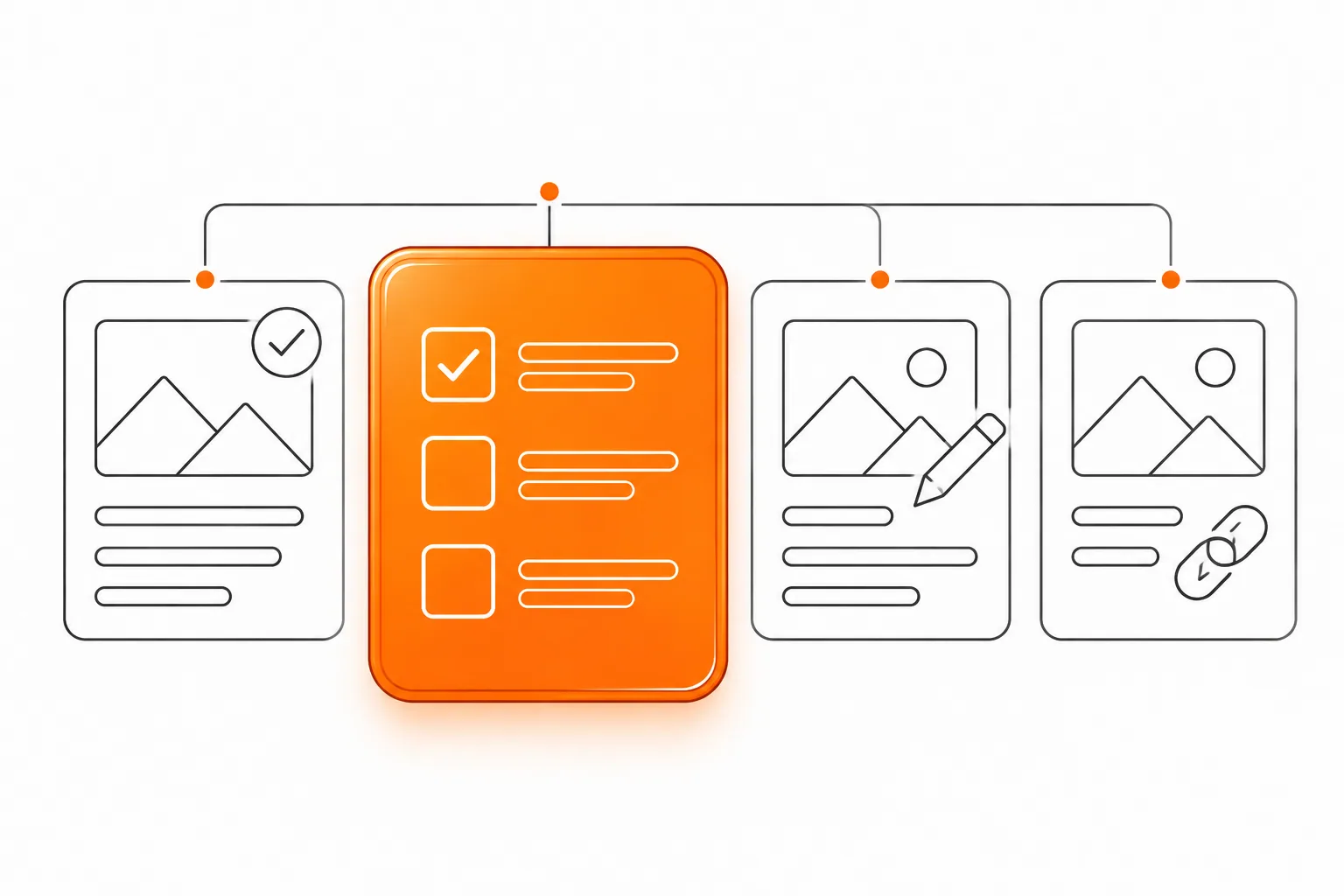
Before a redesign, review what each page says, who verifies it, and whether it still helps a buyer. Use an inventory to turn review notes into clear editorial decisions.
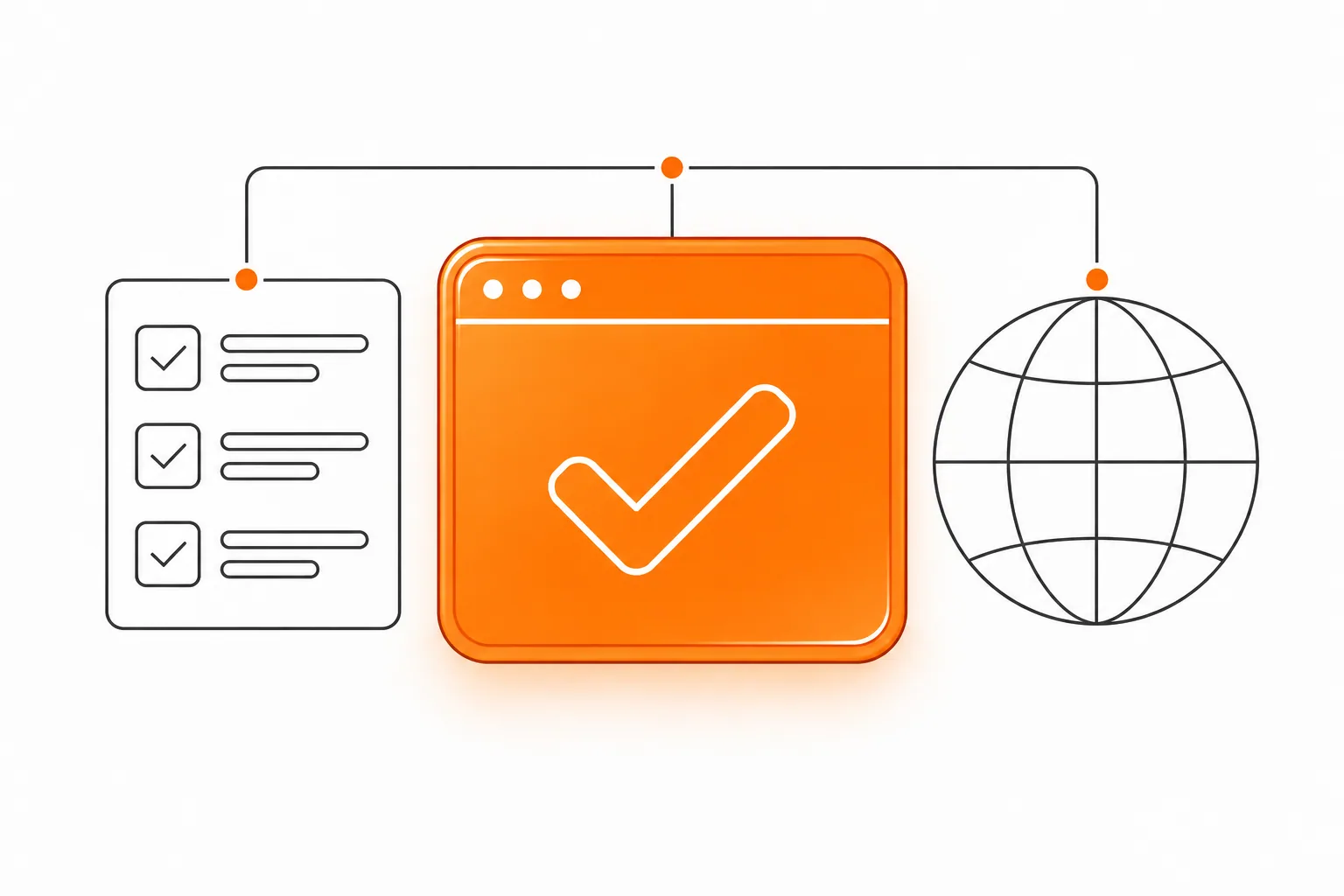
A polished preview does not prove that a website is ready. Test the real visitor actions, confirm enquiry delivery, assign account ownership, and record what remains open.
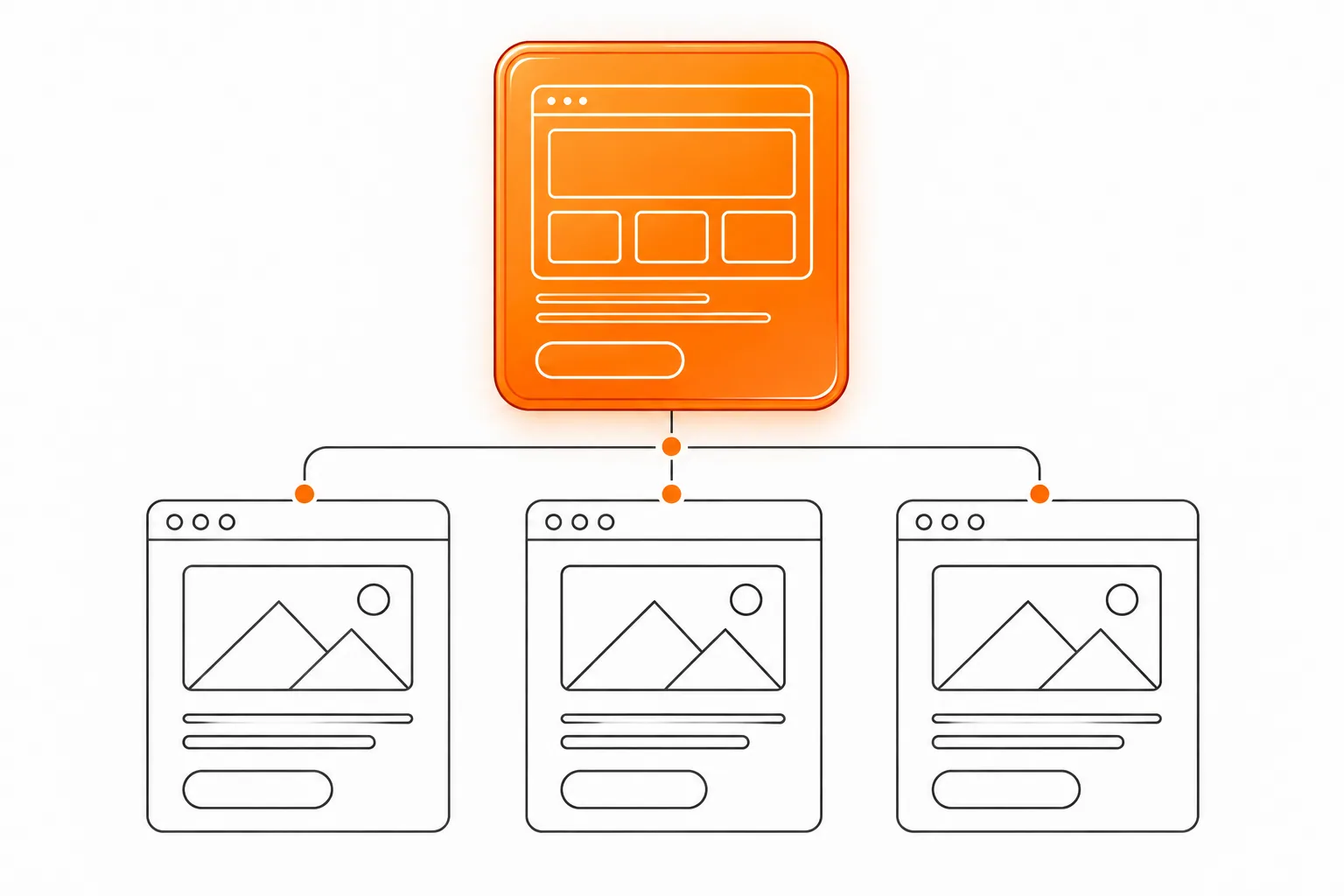
A page plan should explain what each page helps a buyer decide. Use this worked three-service example to name page purposes, links and next steps before design begins.
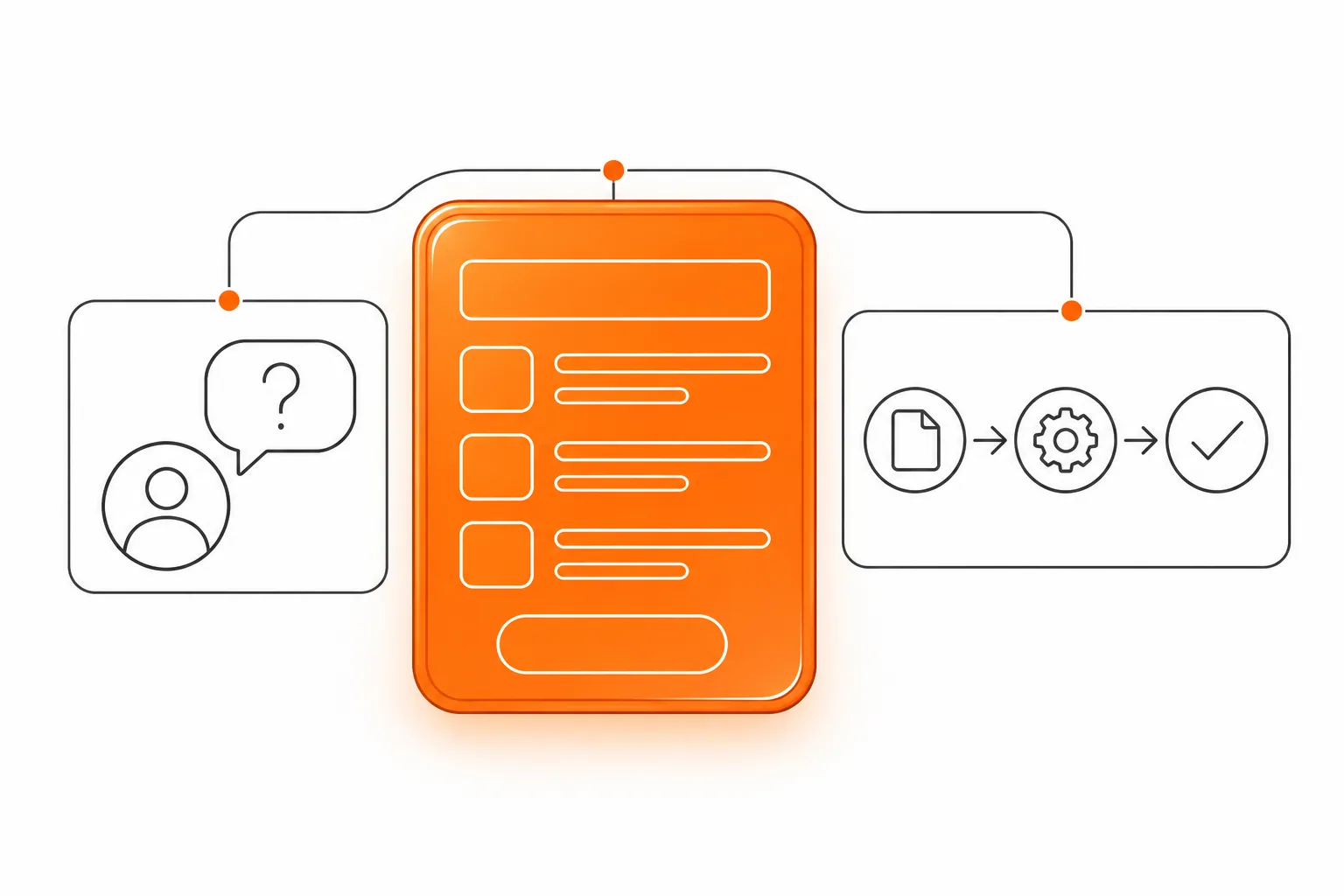
A service page needs enough detail for a buyer to judge fit. Follow an annotated outline for scope, process, requirements, evidence and a useful first action.
A useful homepage says who the business serves, what it offers and where different visitors should go next. Use confirmed proof and route buyers to useful details.

A polished screenshot tells you little about the work behind it. Review live pages, ask who made which decisions, and use one rubric for every candidate.
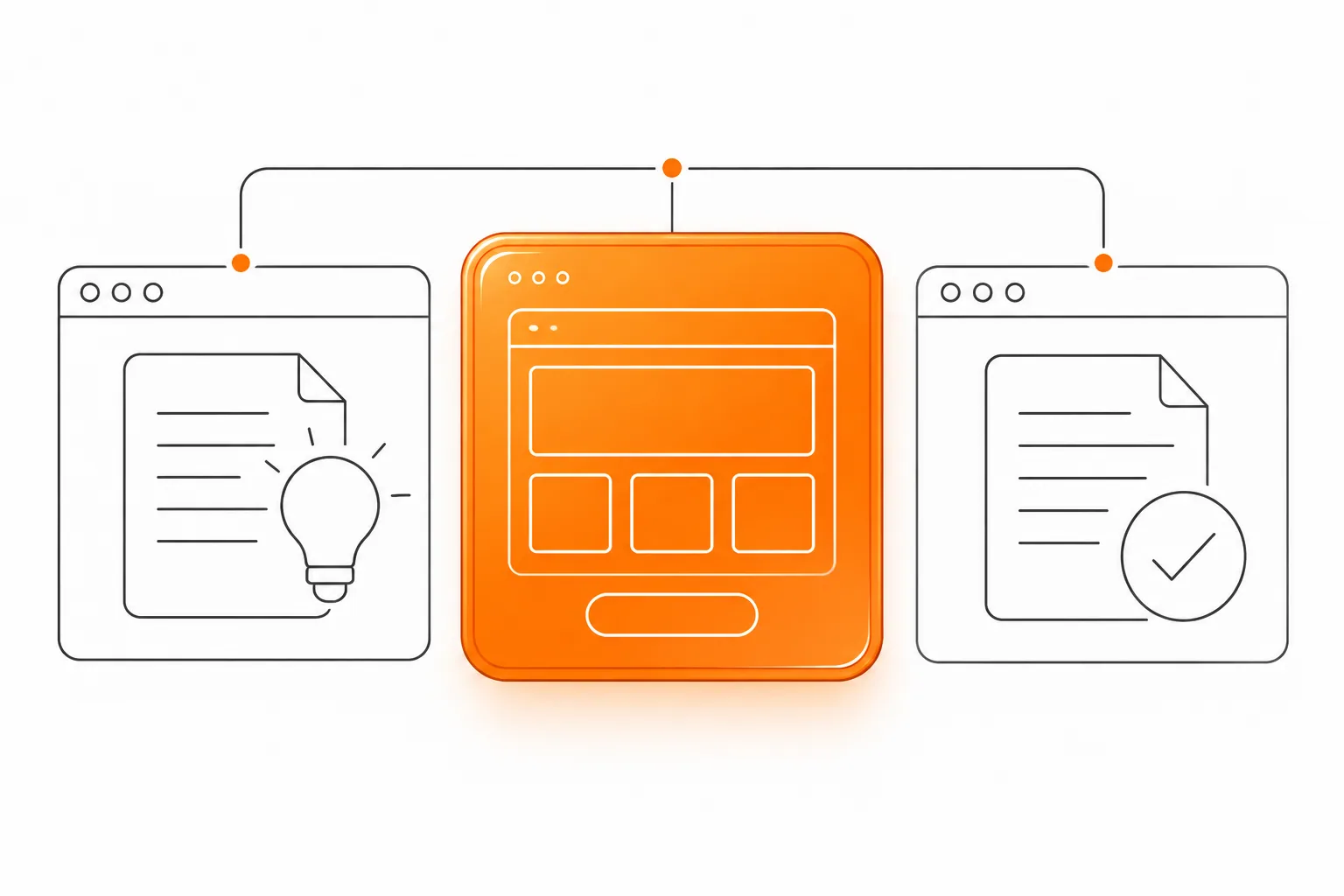
A credible project page lets a buyer follow what the work involved. Use approved facts, explain the designer’s role, and leave unsupported claims out.
Keep the accounts in your name. Understand the running costs before you choose.
Compare editing, ownership and ongoing costs.
Accounts, domain connection and launch checks.
Accounts, domain connection and launch checks.
Accounts, domain connection and launch checks.
Talk through your goal, content and scope. Your quote follows the scope you agree on.