One-page or multipage website? Choose around your buyers
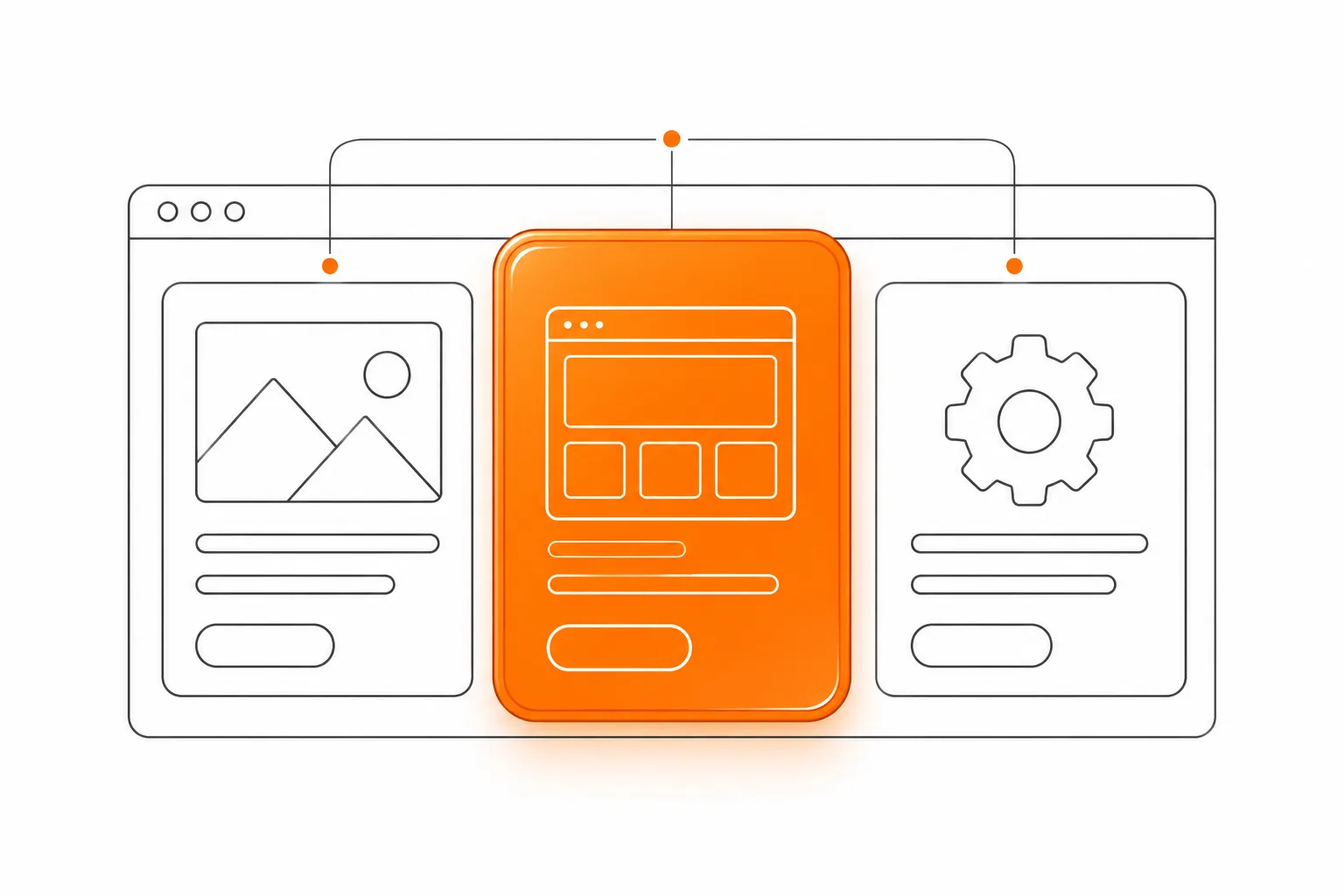
Page count follows the questions buyers need answered. Use this guide to choose a focused single page, a small multipage site, or a staged approach.
The key decisions
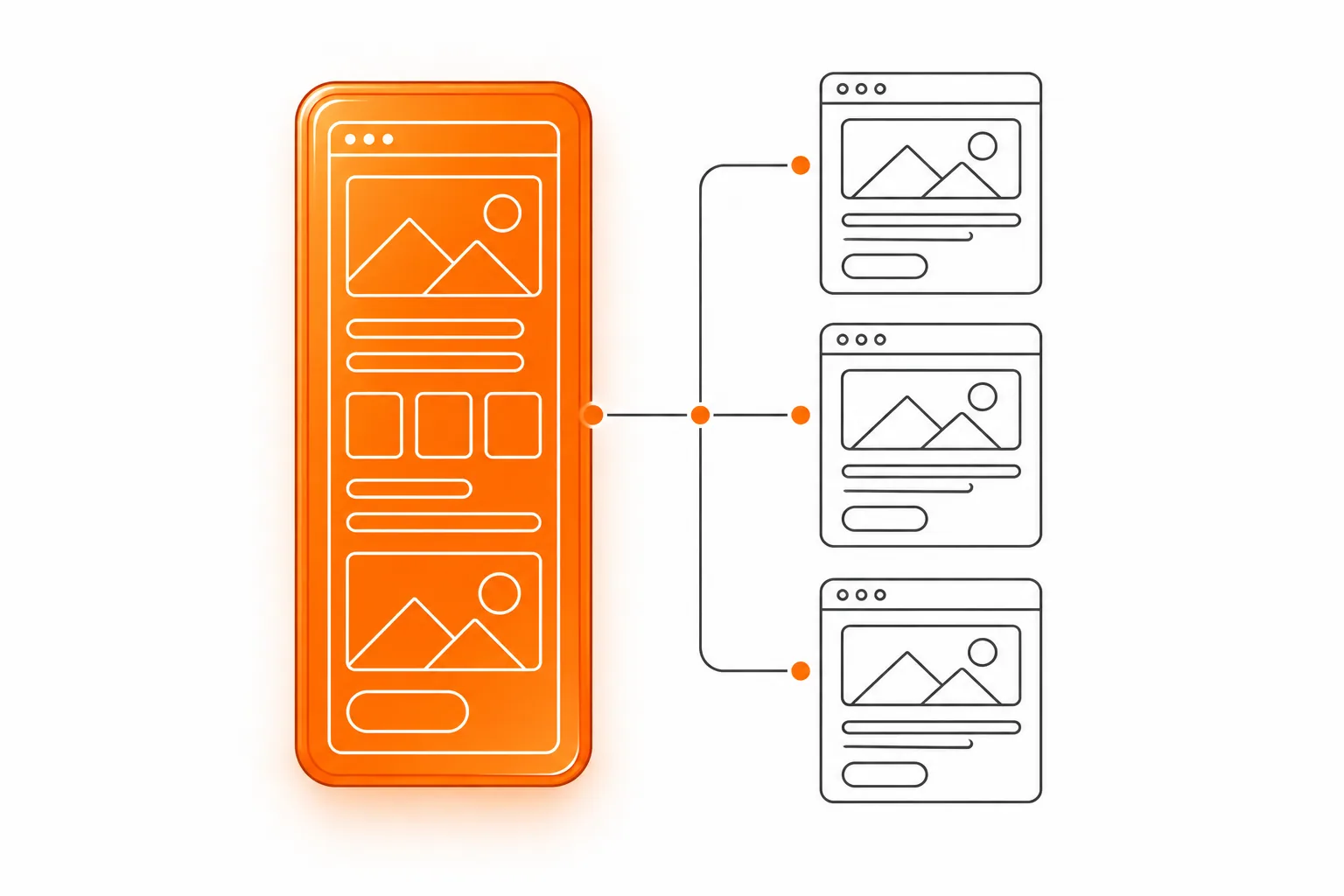
- Use one page when one audience needs one coherent explanation and next step.
- Create separate pages when buyers need distinct information or destinations.
- Plan expansion around content you are ready to maintain.
Count buyer decisions before counting pages
A one-page website gives visitors a single sequence to follow. A multipage website offers separate destinations for different questions. Neither structure solves an unclear offer. Before choosing, write down what a prospective customer needs to decide: whether you serve their situation, whether your work fits their expectations, and how to contact you.
Consider a hypothetical independent photographer selling one kind of portrait session. Service details, a selected gallery, practical questions, and a booking request might form a coherent page. A photography business serving weddings, product launches, and property agents faces different briefs and proof requirements. Those buyers deserve separate explanations, even if the same person delivers every service.
Group your real customer questions by decision rather than by department. An internal team structure rarely makes a useful navigation plan. If a visitor needs to compare two offers, make the distinction visible before asking them to read a long sequence.
Use a single page for a complete, bounded offer
A focused single page suits a business with one main audience, a narrow service, and a clear next step. The page should answer enough questions for someone to proceed without searching elsewhere for basic information. A sensible sequence introduces the offer, explains suitability, shows evidence, describes the process, resolves practical concerns, and invites contact.
A hypothetical ceramics workshop running private team sessions might use this structure. Buyers need to know the group format, location, what participants make, what the organizer supplies, and how to ask about a date. Those details belong together. Separate pages for each paragraph would add navigation without helping the organizer decide.
Single-page scope still needs discipline. Limit the gallery to relevant examples, move lengthy terms to an appropriate supporting page, and give visitors clear section links. One main sales page does not mean every operational or policy document must appear in the same scroll.
Give distinct services their own useful destinations
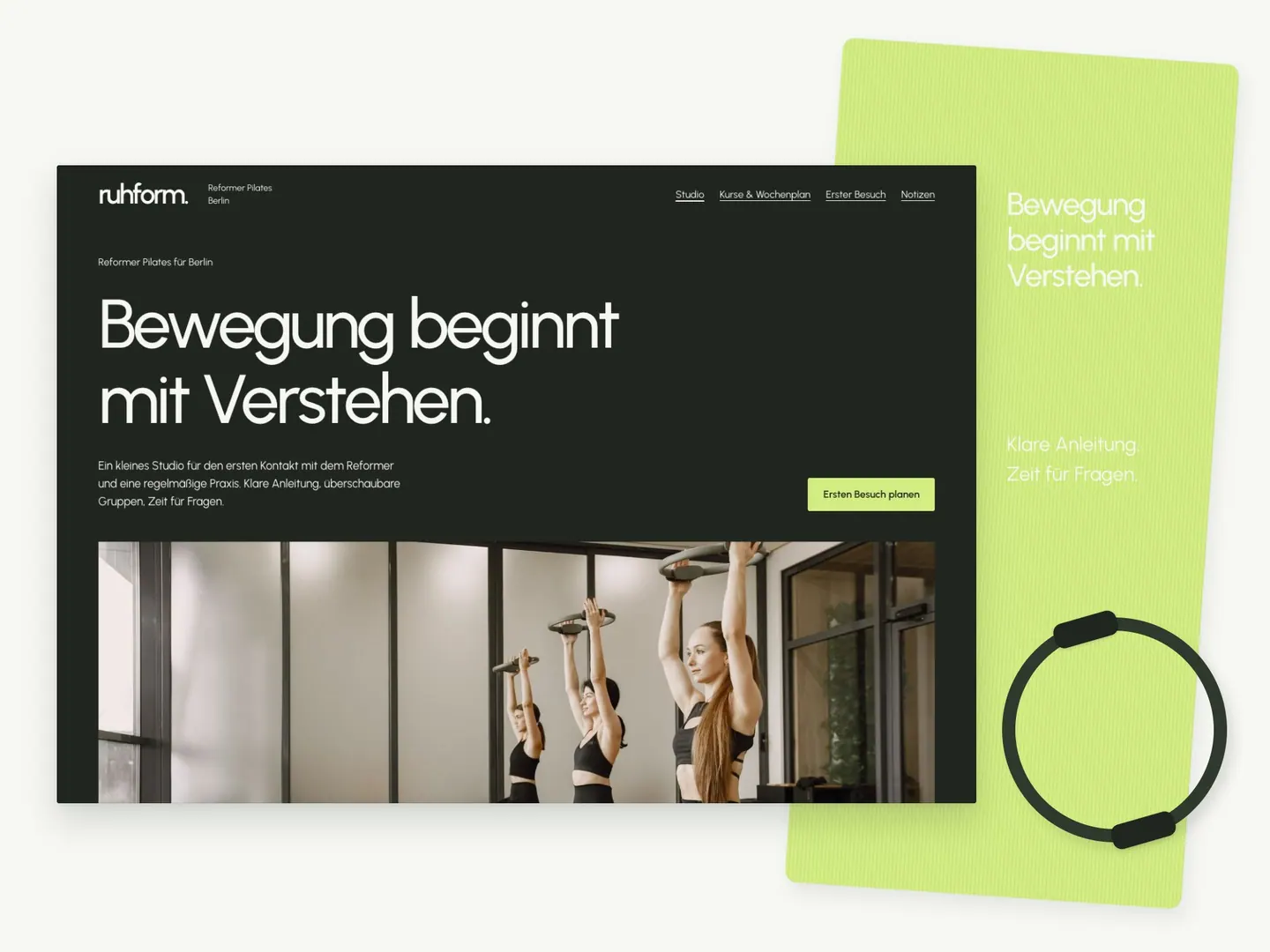
Choose multiple pages when the answers vary substantially by service, audience, or location. A commercial cleaning provider might need separate explanations for offices and food preparation areas. The scope, scheduling constraints, evidence, and qualification questions differ. A generic service paragraph would force buyers to contact the business before learning whether the service suits them.
For each proposed page, name the visitor, their question, the evidence available, and the intended action. If these answers repeat another page word for word, reconsider the split. Separate URLs deserve distinct content. Creating numerous near-identical pages creates an editing burden without necessarily improving the buyer experience.
Keep common details shared where appropriate. Contact information, broad company background, and policies do not need fresh versions for every service. Ask the studio to show how someone arriving directly on a service page reaches related work and the contact flow without visiting the homepage first.
Treat search visibility as a content question
Google’s SEO Starter Guide recommends useful organization, descriptive titles, and links people and search engines understand. It also makes clear that following the guidance does not guarantee a particular search position. Choose your page structure around the questions buyers need answered. Spreading a short explanation across several addresses does not make it more useful.
A single page has one main document to describe several topics. Separate pages give you room to address distinct buyer questions and assign relevant titles. This matters when the services need different explanations. Start by gathering phrases from genuine enquiries and sales calls. Avoid manufacturing a keyword list and treating every variation as a reason for another page.
Do not present section anchors as independent service pages. Google’s canonical guidance says URL fragments are not supported as canonical URLs. A link ending in a section name is useful for navigation, but a fragment alone does not establish a separately canonical service document. Ask for ordinary page URLs when separate destinations are a requirement.
Follow the visitor from the actual entry point
Your homepage is only one possible arrival point. A recommendation email might link to a project. A social post might promise details about one workshop. A printed presentation might direct a buyer to a specific service. Draw the route from each source to the question the visitor expects answered, then to the next step.
For a hypothetical catering company promoting office lunches, a destination covering lunch formats, delivery area, dietary questions, and a request process is more relevant than an opening section about wedding hospitality. A dedicated page is worth considering when those needs are substantial. For a narrow business, an existing page section might answer the same question adequately.
Inspect the destination on a phone. Check the headline, supporting proof, and contact route without relying on a large desktop navigation menu. Keep the offer named consistently between the source message and the website. A suitable structure should preserve context throughout the visit.
Match the structure to your editing capacity
Every published page creates an obligation to keep information accurate. Assign an owner to services, prices where shown, team details, project permissions, and location information. A larger site is reasonable when someone has time and access to maintain those details. Empty resource sections and abandoned announcements add avoidable uncertainty for buyers.
Ask how shared information is managed. If opening hours appear in several places, find out whether one edit updates every instance. For projects or articles, ask for a repeatable template and a clear editing workflow. A multipage site does not need a custom design for every new entry.
International expansion adds another dimension. Before approving an additional language, identify who reviews the content, form messages, navigation, and future updates. Separate English and German pages should each make sense to their intended audience. A switcher alone does not establish a workable multilingual publishing process.
Inspect the finished experience rather than guessing from size
One page is not automatically light. A long sequence of full-size photographs, videos, and decorative effects might load more media than a modest multipage site. Equally, multiple pages need thoughtful navigation and consistent layout. Ask to see representative content in a working preview before approving the structure.
The web.dev Web Vitals guidance distinguishes loading, responsiveness, and visual stability. Use those dimensions to ask practical questions: does the main content appear promptly, does the interface respond, and do elements move unexpectedly? Lab tests help investigate these problems, while real visitor measurements describe experience after launch. One test score does not settle every aspect of usability.
During review, complete a realistic task from a direct link. Find service limits, inspect relevant work, and request contact. Note every point where you lose context or need to backtrack. Change the structure when the task exposes a problem, rather than expanding the site to satisfy a page-count preference.
Approve a page map and an expansion trigger
Before commissioning design, ask for a page map with one sentence explaining the purpose of each page. For a single page, request a section outline instead. Attach available content to every part. Missing evidence or an unanswered service question should become a named task rather than disappear behind a polished placeholder.
Choose an observable reason to expand. Examples include launching a distinct service, entering a market with reviewed content, or building a project collection your team will maintain. Avoid adding pages simply because a template offers space. Preserve sensible URLs and agree on redirects if existing pages need to move.
Bring your current offer list, buyer questions, traffic sources, and available evidence to a 48HRS intro call. The useful output is a justified structure for your first release. Ask which decisions need resolving before production and what future additions would require fresh scope. You should leave with a clearer choice than ‘small site’ or ‘large site.’
Common questions
Does a one-page website work for a service business?
Yes, when one audience needs a focused explanation of one offer. Check whether the page covers suitability, evidence, practical details, and the contact process without burying important information.
Does a multipage website rank better?
Page count alone does not establish search performance. Distinct, useful service pages provide space for different buyer questions. Their value depends on the content and implementation, with no guaranteed ranking.
Should I launch one page and expand later?
This is reasonable when the first release fully serves the current offer. Agree on future page types, stable URLs, and a concrete expansion trigger before design starts.
Sources and further reading
48HRS website design from $1,790
For a one-page website. This is our starting price, not a market average. We agree your final scope and quote on the intro call.
See package scope and current offers