Small business website cost: how to compare the full scope
A useful website budget starts with the work included. Learn how to compare proposals, control ongoing costs, and agree on a launch you are ready to approve.

The key decisions
- Ask every supplier to quote against the same written scope.
- Separate initial production, recurring services, and future changes.
- Agree on ownership and observable launch checks before paying a deposit.
48HRS website design from $1,790
For a one-page website. This is our starting price, not a market average. We agree your final scope and quote on the intro call.
See package scope and current offersStart with the purchase your website needs to support
A website quote answers a scope question. Without a scope, two totals tell you little. One supplier might include interviews, copywriting, and a working contact flow. Another might expect approved text and supply a visual layout. Both proposals might say ‘small business website.’ You need enough detail to understand the difference before comparing fees.
Write down your main buyer, the service you want to sell, and the next step visitors should take. A hypothetical bookkeeping practice might need prospects to check service fit and request an introductory call. A furniture workshop might need detailed project photographs and a structured request for dimensions. Those are different jobs, even with the same number of pages.
Define a useful first release around one commercial outcome. Add supporting requirements only when you know who needs them and why. A clear boundary gives a studio something concrete to estimate and gives you a way to reject unnecessary extras.
Turn competing quotes into a comparable scope
Send the same brief to each shortlisted supplier. Ask them to mark each item as included, optional, excluded, or dependent on your input. This reveals differences hidden inside package names. Avoid assuming a page means the same amount of work everywhere. A contact page and a filterable project directory deserve different estimates.
Request a page list alongside a template list. Six service pages using one agreed layout involve different design work from six individually composed pages. Content entry still takes time, so ask who enters the text, checks links, and prepares images. Separate a functioning content management system from a screen showing how an editor might look.
Clarify revision boundaries. Ask how feedback is collected, how many review rounds are included, and what qualifies as a change of direction. Replacing an approved page structure is different from correcting a phone number. A useful proposal explains how extra work receives a written estimate before production starts.
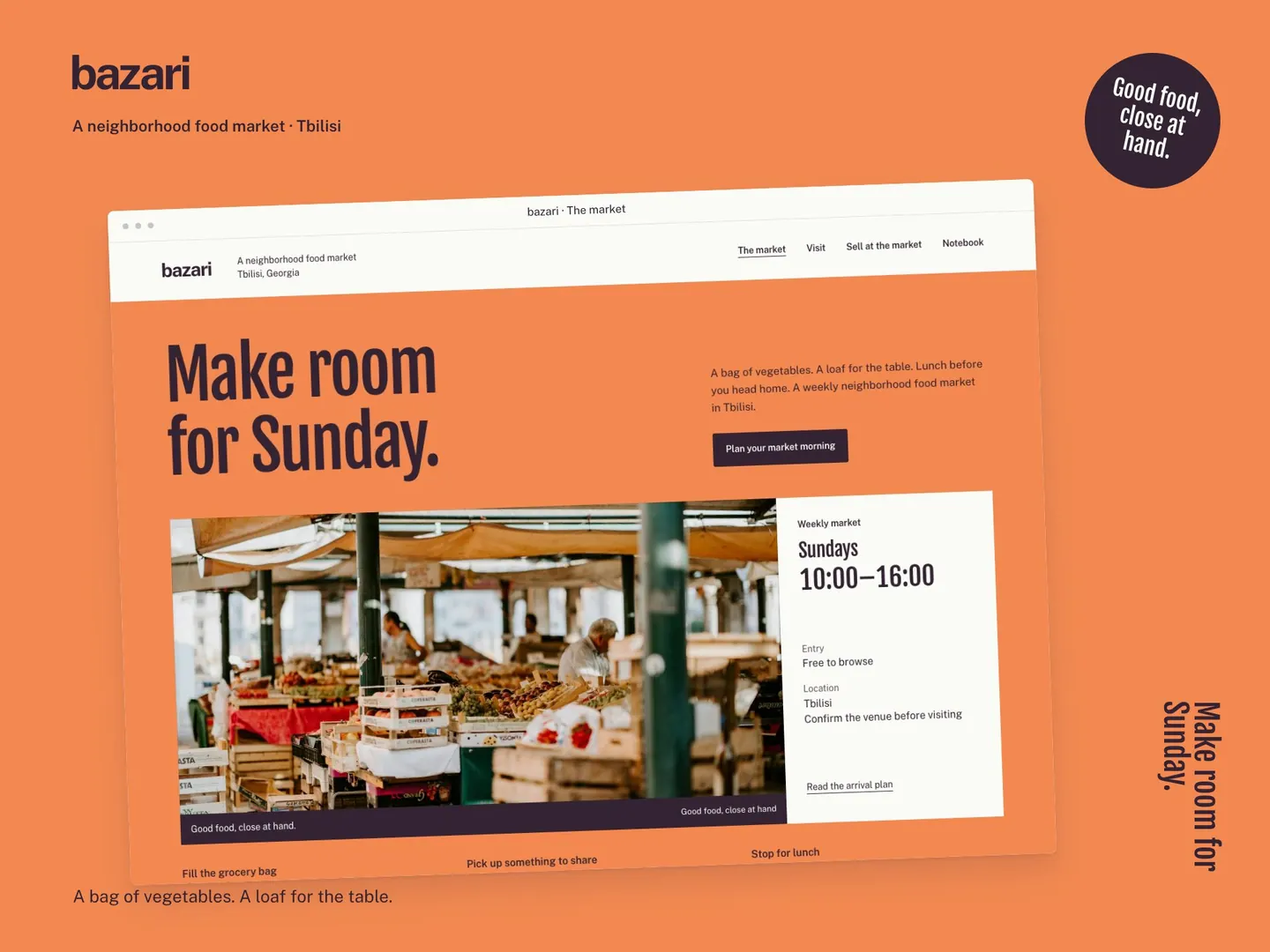
Review a web designer’s portfolio and process before shortlisting.
Content is a production task with an owner
A low design fee loses its appeal when the project waits for unfinished writing. Inventory your existing material before discussing dates. Gather service descriptions, team information, photographs, project permissions, contact details, and answers to recurring customer questions. Mark each item ready, needs editing, or missing. Assign a person and a delivery date to every gap.
For a hypothetical landscaping business, six photographs of completed gardens might be more useful than a large stock library. Useful captions would explain the brief, the work performed, and the constraints. If you lack permission to publish a project, choose another example. Do not invent a client story to fill a layout.
Ask whether copywriting includes customer research, interviews, drafting, editing, or only proofreading supplied text. For a second language, identify the translator and reviewer separately. A translation budget should cover navigation, forms, confirmation messages, and page metadata alongside the main paragraphs.
Describe functions through real visitor actions
Replace vague requests such as ‘booking integration’ with a complete action. For example: a visitor chooses a service, opens an external scheduler, selects a time zone, and receives confirmation from the scheduling provider. Ask which parts belong to the website, which belong to another service, and who configures both accounts. A linked calendar and a custom booking system are different purchases.
For an enquiry form, specify the required fields, recipient inbox, success message, error message, and fallback contact method. Ask for a real submission during acceptance. A button animation proves nothing about email delivery. Include the person responsible for checking spam folders and responding after launch.
Technical basics also need named deliverables. Google’s SEO Starter Guide supports descriptive titles and useful site organization. Translate ‘SEO included’ into page titles, understandable URLs, crawlable navigation, and an agreed indexing check. None of these items constitutes a ranking guarantee. Request separate scope for ongoing search content or promotion.
Calculate ownership costs beyond launch
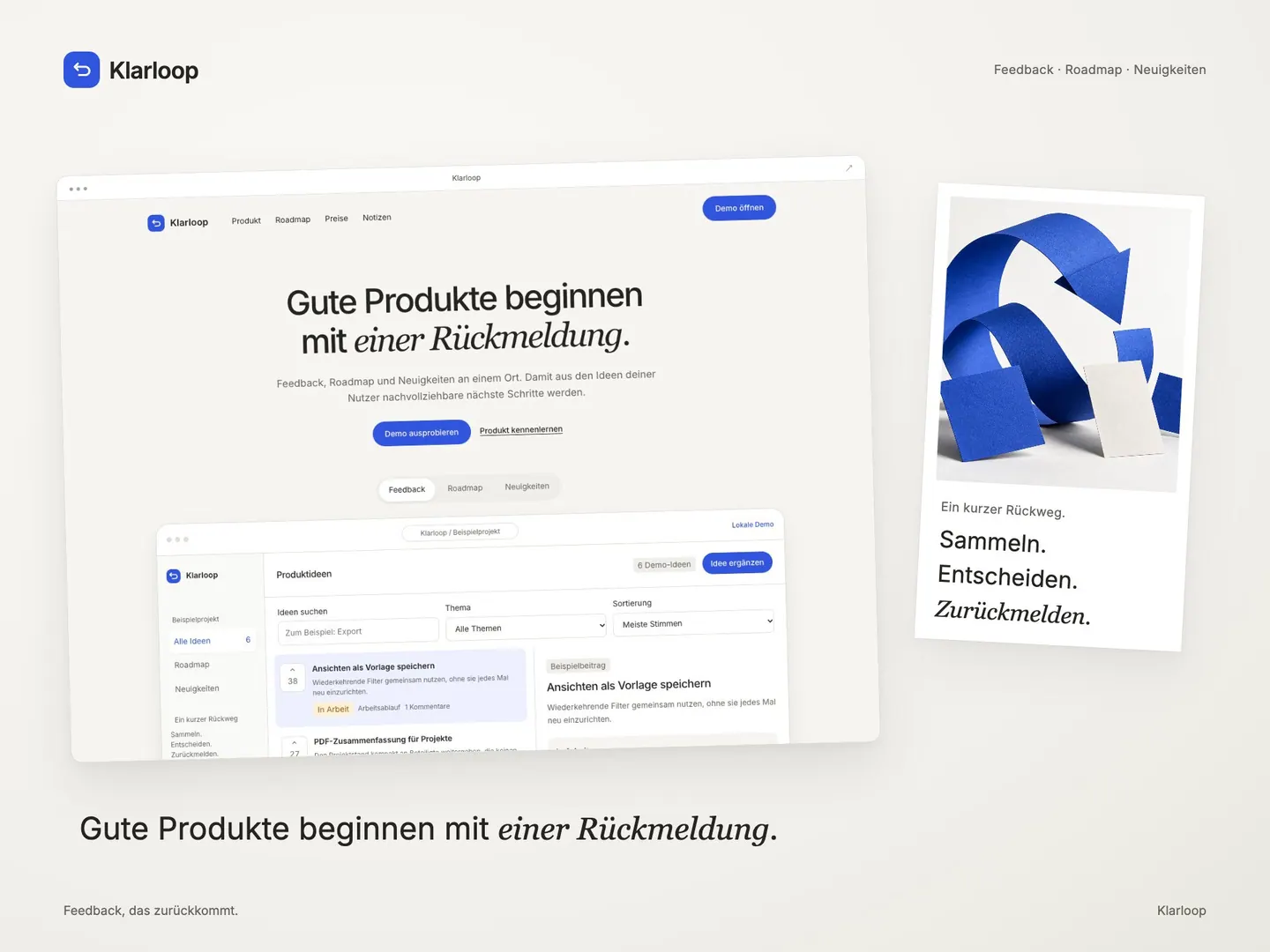
Build a first-year cost sheet with separate lines for production, domain renewal, hosting or platform subscription, paid fonts, image licenses, integrations, and maintenance. Enter renewal terms beside introductory offers. Record the account owner and billing currency. An attractive initial total offers little clarity if the recurring commitments are missing.
Ask what maintenance buys. Software updates, restoring a backup, changing opening hours, and designing a new service page are different activities. Request examples of included work and the process for requesting work outside the agreement. Confirm who notices a failed form or an expired subscription. Avoid paying for an undefined promise to keep everything running.
Include your own operating time. If a simple staff change requires a support request, decide whether this suits your team. During handover, ask an employee to replace a photograph and edit a service paragraph. Use the result to judge whether training or a simpler editing setup belongs in the budget.
Make US and European proposals explicit
When comparing studios across borders, request the quote currency, payment schedule, invoice details, and treatment of applicable taxes. Have your accountant confirm tax handling for your business. Avoid assuming a dollar quote and a euro quote represent the same final amount after exchange charges and payment fees. Put the actual payment terms in the agreement.
Agree on review windows with a named time zone. A Monday deadline without a location invites confusion between a US owner and a European team. Name one decision maker and one backup. Specify how approvals arrive and whether late feedback changes the delivery schedule. These choices affect coordination costs even when design scope stays constant.
If you need content for several markets, distinguish language from market adaptation. Service areas, phone formats, currencies, examples, and the call process deserve review. Request separate deliverables for each market rather than assuming an English page with a translated headline covers the requirement.
Pay against observable acceptance and clear ownership
Before signing, write a short acceptance list. Your team should be able to open agreed pages on a phone, follow navigation, read the main offer, submit an enquiry, and receive the message. Ask the supplier to demonstrate keyboard access and labelled form controls. The web.dev forms guidance explains why controls need associated labels and clear input instructions.
Agree on what you receive: production access, editable source or platform access, licensed assets, account details, and a handover session. Ask what happens if you move to another supplier. Platform portability varies, so request a demonstration of the export or transfer process before making portability a deciding factor.
Separate acceptance from future business results. You should approve a working website against the agreed requirements. Enquiry volume also depends on your offer, audience, traffic, and follow-up. A supplier promising guaranteed sales from design alone leaves those dependencies unexplained. Ask how results will be observed after launch instead.
Reduce uncertainty before reducing quality
If proposals exceed your budget, remove a complete workstream. Delay a resource library without an editor, a second market without reviewed copy, or a custom animation without a business purpose. Preserve the main offer, credible evidence, mobile readability, and working contact flow. Removing random quality checks makes the final product harder to trust.
Ask for a smaller first release and a separately estimated second phase. Record which future additions the structure should accommodate. A service business might launch with one offer and two approved projects, then add a maintained project collection after hiring an internal owner. This is a hypothetical scope choice, not a claim about expected returns.
For an intro call with 48HRS, bring your current website, content inventory, intended buyer action, budget boundary, and target date. Ask for the proposed scope and dependencies in writing. The first complete version is due within 48 hours of the agreed production start, once the brief is approved, final content and assets are ready, required access is in place, and payment is received. The call itself does not start production.
Common questions
How much should a small business spend on a website?
Set a budget after defining the buyer action, content workload, functions, and ongoing ownership. Request comparable quotes against one brief. A universal price range would conceal differences in scope, market, and supplier responsibilities.
Is a template a reasonable way to control cost?
Yes, when the structure suits your content and required functions. Ask which parts are adapted, who handles content, and whether you receive the same mobile, form, and handover checks as a custom project.
What belongs in a written quote?
Include deliverables, exclusions, client inputs, revisions, account ownership, recurring costs, payment terms, acceptance checks, and the process for approving additional work.