Website not getting enquiries? Find the problem before redesigning
A quiet inbox does not identify the cause. Follow a practical sequence to locate the failure and commission the smallest useful fix.

The key decisions
- Test the contact journey and message delivery before changing the design.
- Separate missing traffic, unsuitable traffic, unclear offers, and broken handoffs.
- Keep a change log and judge results against relevant enquiries rather than vanity metrics.
Start by proving an enquiry reaches your team
Send a real test through every advertised contact route. Use a phone and a desktop browser. Submit the form, open the email link, and follow the call button or scheduling route. Check the destination inbox, any connected system, and the message shown to the visitor. Record where the journey stops. A successful-looking button is insufficient evidence of delivery.
Repeat the form test with a missing required field and an invalid email address. Confirm the error explains how to continue and the visitor’s other entries survive. Ask someone to complete the route using a keyboard. The web.dev forms guidance explains labels, input instructions, focus visibility, and useful error communication.
If a scheduler opens, inspect the time zone and available route to completion. If scheduling is not configured, provide an honest alternative request method. Fix broken delivery before spending on traffic or a visual redesign. Your first diagnostic result should be a verified contact path with a named internal owner.
Define which enquiries would count as progress
Write a practical definition of a suitable request. Include the service, service area, and buying situation you intend to support. Separate customer opportunities from spam, job applications, supplier messages, and requests for work you do not provide. More form submissions are not automatically a better result if your team spends longer rejecting unsuitable work.
Create a simple record with the request date, requested service, reported source, relevant page when known, and outcome. Keep personal information restricted to the people handling the enquiry. Ask new prospects how they heard about you without treating every answer as precise attribution. A recommendation followed by a search involves more than one contact point.
Use the records you already have to establish the starting situation. If tracking is missing, say so. A quiet period without reliable traffic or enquiry records does not establish a conversion problem. Choose a review window long enough to include your ordinary buying cycle and note unusual campaigns or closures.
Check whether relevant visitors are arriving
Open Google Search Console if your business has access. The Performance report shows search clicks, impressions, and query information, with views by page, country, and device. Use the report to inspect which services appear in search and which pages receive visits. These figures describe Google Search activity, not every visitor or completed enquiry.
For an important missing page, use URL Inspection to examine the indexed status and run a live test. Google distinguishes the indexed version from the live page. A successful live test does not guarantee indexing or search appearance. Save the reported issue and ask the person maintaining the site to explain the appropriate repair.
If relevant visits are scarce, investigate distribution and visibility alongside the website. Check links from your business profiles, social accounts, presentations, and referral messages. A new page design does not create an audience by itself. First determine whether the right people have a realistic route to the offer.
Check URL migration when enquiries fall after a website relaunch.
Compare the promise with the landing page
Choose an actual source of visits and follow the same route as a prospect. Read the promise in the search result, social post, recommendation email, or advertisement. Then inspect the first content on the destination. Does the page answer the expected question and name the expected service? A mismatch deserves a specific correction.
For a hypothetical bookkeeping business, a post about monthly reporting should lead to an explanation of monthly reporting. If the destination opens with an unrelated annual filing offer, the visitor must work out the relationship. Fix the message or destination before adding more promotional content. Keep the service terminology consistent across both.
Review geography and audience fit as well. A page receiving interest from places you do not serve needs a clearer service area or a better distribution plan. More traffic from unsuitable markets will not resolve the underlying issue. Use actual source records where available and mark uncertain interpretations as hypotheses.
Answer suitability questions before asking for contact
Ask someone unfamiliar with the business to read the main service page and explain what you sell, who the service suits, and what happens next. Listen for missing details rather than correcting their answer immediately. A broad headline about quality or passion gives them little basis for deciding whether their project belongs with you.
Add information buyers need to judge fit: scope, exclusions, process, service area, required inputs, and the next commitment. Use evidence with clear context. Show approved projects, describe your role, and explain relevant constraints. If a project is an illustrative concept, label the example. Remove unsupported results and unapproved customer quotations.
A hypothetical commercial photographer might need to explain whether styling, location planning, and image licensing belong in the proposal. Those details help a buyer prepare a useful request. Decide which questions deserve visible answers before the form and which need a conversation. Do not force every visitor into a call to obtain basic service facts.
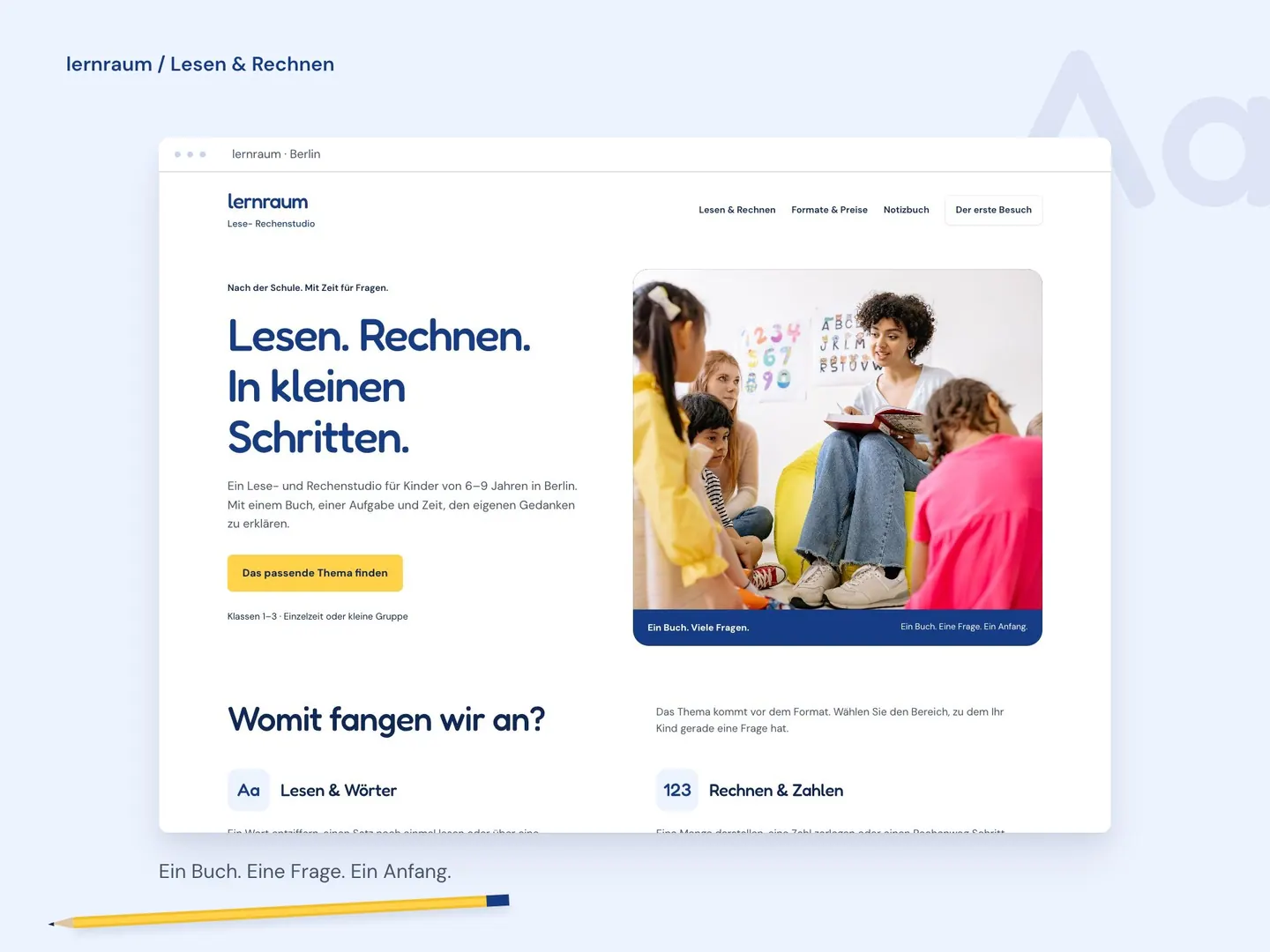
Write a homepage that explains the offer and the first step.
Make the next step proportionate to the decision
Read your contact invitation as an unfamiliar buyer. Does the label explain the action? Does nearby text say what information to send and what happens afterward? A vague “Start now” button leaves the commitment unclear. A specific request for an intro call or a project enquiry sets a more understandable expectation.
Inspect every required form field. Keep information your team needs to route or assess the initial request. Explain unfamiliar questions and allow uncertainty where a prospect reasonably lacks an answer. A mandatory final budget or technical specification might be premature for an exploratory conversation. Decide the requirement based on your qualification process rather than a copied form.
State realistic response expectations only when your team owns the process. Avoid invented availability, countdowns, or implied confirmed appointments. Where a scheduler is used, the booking confirmation should come from the working scheduling flow. A website invitation alone does not establish a reserved meeting.
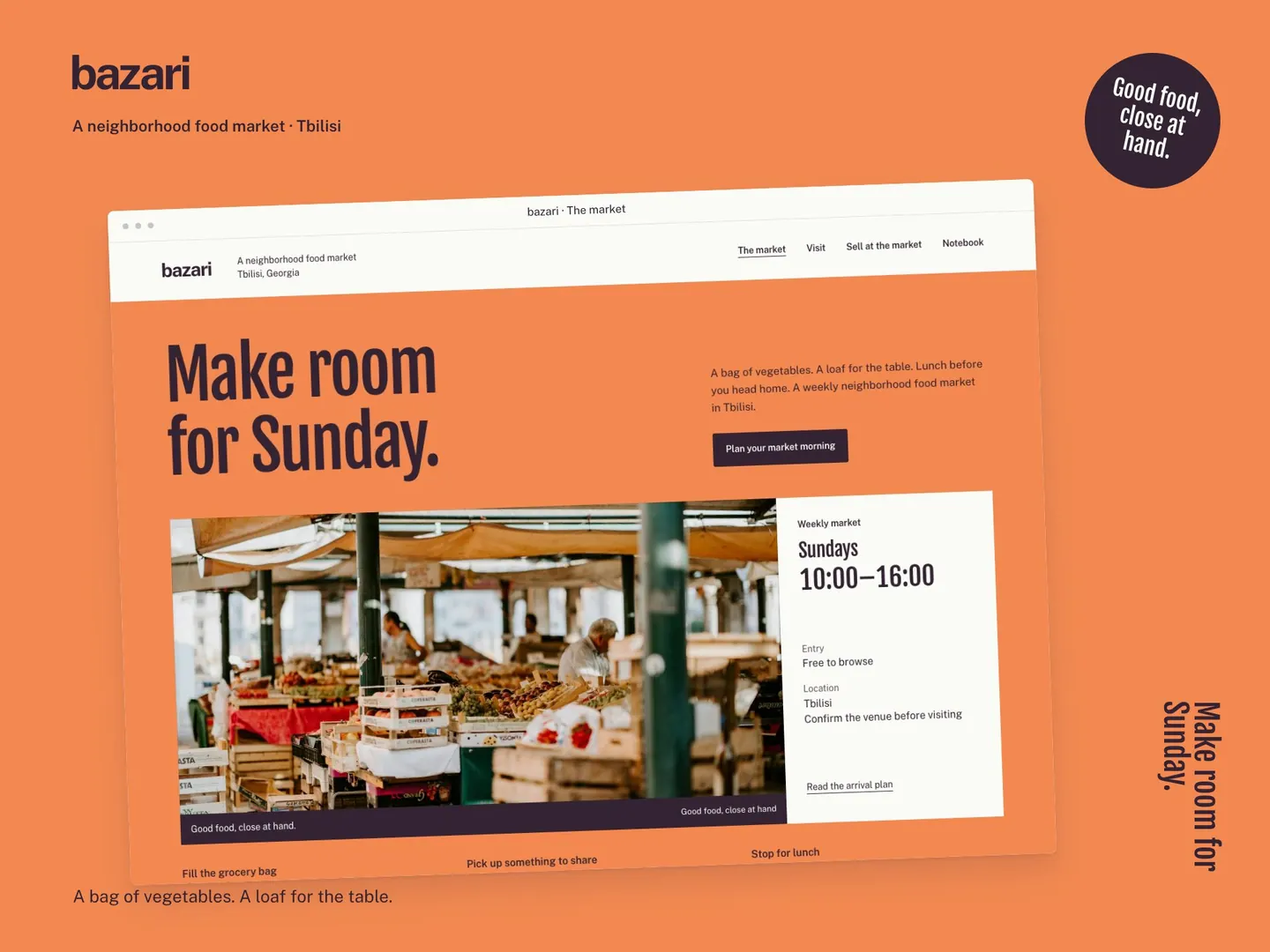
Check the mobile journey with realistic content
Open the actual service page on a phone and complete the main task. Check whether navigation covers the page, text requires zooming, a floating element hides the contact button, or the keyboard obstructs form fields. Test a direct link to an inner page. Your regular desktop browsing habits might miss these obstacles.
Use performance evidence to investigate delays rather than guessing. The web.dev Web Vitals guidance covers loading, responsiveness, and visual stability, and distinguishes lab tests from real visitor measurements. Ask for the page, device conditions, and observed issue behind a performance recommendation. A lab score alone does not describe every visitor’s experience.
Prioritize defects affecting the buyer’s task. A delayed service explanation, an unresponsive control, or a moving submit button deserves attention. Request a before-and-after check under comparable conditions. Keep cosmetic preferences separate in the work list so they do not displace a verified contact or readability failure.
Repair the observed failure and record the outcome
Create a short issue record for each proposed change: observation, evidence, suspected cause, proposed repair, owner, and review method. Separate verified defects from hypotheses. A missing form message is a defect. An unclear headline reducing interest is a hypothesis until you have useful supporting observations. Both deserve attention, with different levels of certainty.
Check follow-up after the message arrives. Who reads the enquiry, who replies, and what happens during absences? A website might generate suitable requests while an unattended inbox loses the conversation. Review a sample of actual handoffs before commissioning more lead-generation work. Fix the responsible step rather than assigning every commercial problem to design.
Bring the issue records, traffic evidence, and current enquiry process to a 48HRS intro call. Ask for a prioritized repair scope with observable checks. A full redesign is reasonable when the structure repeatedly blocks the offer, evidence, or contact journey. Otherwise start with the specific failure you have established and review the result before expanding the work.
Common questions
Should I redesign a website receiving no enquiries?
First verify contact delivery, relevant visits, offer clarity, and internal follow-up. Commission a redesign when evidence shows the existing structure repeatedly obstructs the buyer journey. A specific defect might need a smaller repair.
Which numbers should I review?
Review relevant visits and search queries alongside suitable enquiries and their outcomes. Keep the reporting periods consistent. Search Console describes Google Search activity, while your enquiry record describes the actual conversations.
How quickly should a change produce enquiries?
No fixed deadline follows from a design change. Traffic, buying cycles, offer fit, and follow-up affect outcomes. Agree on a review period grounded in your business and record concurrent changes before drawing conclusions.
Sources and further reading
48HRS website design from $1,790
For a one-page website. This is our starting price, not a market average. We agree your final scope and quote on the intro call.
See package scope and current offers