
Choose a web designer by reviewing the portfolio and process
A polished screenshot tells you little about the work behind it. Review live pages, ask who made which decisions, and use one rubric for every candidate.
What do you need, what belongs in your brief, and what shapes the cost? Practical guides for your website, social design and presentations.
A polished screenshot tells you little about the work behind it. Review live pages, ask who made which decisions, and use one rubric for every candidate.

A credible project page lets a buyer follow what the work involved. Use approved facts, explain the designer’s role, and leave unsupported claims out.

A company deck should help a partner or supplier reviewer understand what you do, how work runs and which evidence supports your claims.

A campaign is a short, connected explanation of one offer. Use a message matrix to give each post a job, then review the set before release.

A LinkedIn case study post should explain the project in six deliberate steps. Start with approved facts, then prepare the document and its accessible summary.
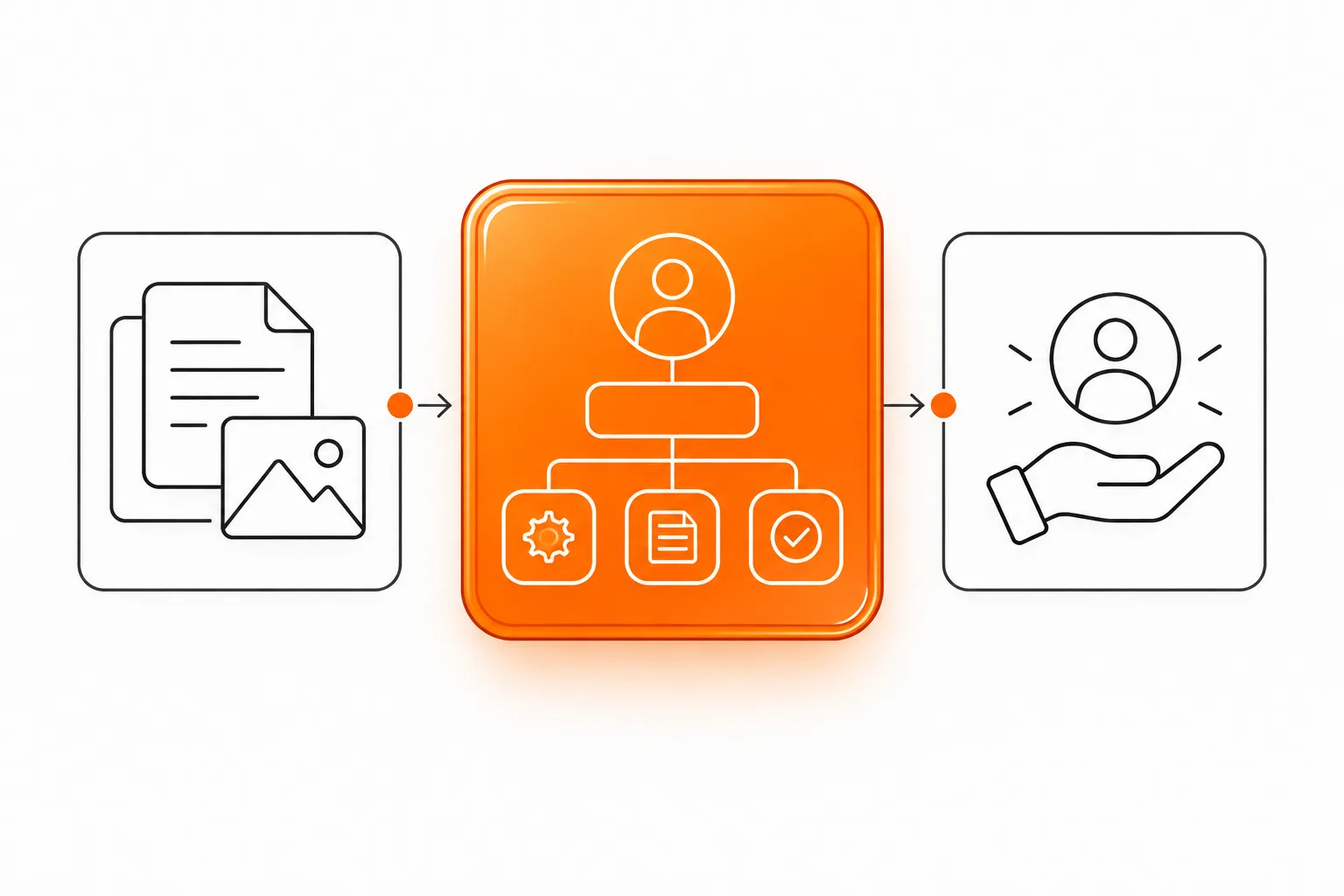
Show what happens, who owns each step and where the service ends with a process map and responsibility table.
Talk through your goal, content and scope. Your quote follows the scope you agree on.